 01395 239500
  info@projuice.co.uk


 £0.00
£0.00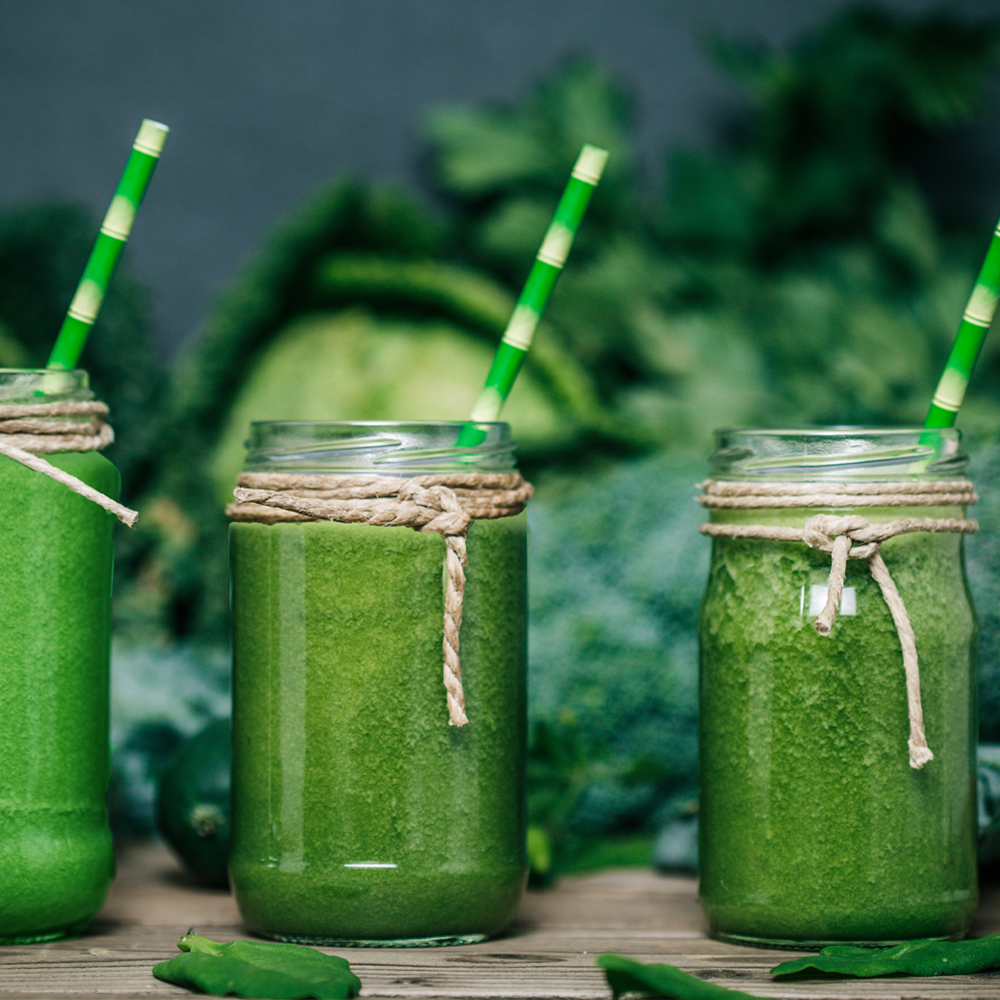
Green Smoothies for Cafés: How to Add Them to Your Menu (and Actually Make Money)
A decade ago, having green smoothies on a café menu was a bold move; now it’s just what’s expected.
If you go into any independent coffee shop, gym café, farm shop or garden centre, you’ll probably see at least one green option on the board. The change isn’t down to customers’ determination. Rather, green smoothies now taste no longer like a punishment. Thanks to improved recipes, better ingredients and better blending, “drink your greens” has moved from being a tedious wellness task to becoming a real best-seller.
When considering the idea of including it on your menu, the issue isn’t really about whether you should or not. It’s rather about how to do so without damaging your prep times, your wastage figures or your GP.
The guide explains the three methods of running a commercial green smoothie business, the effect of each method on your profits, and how to get the flavour right in order that customers return for a second smoothie.
Why green smoothies earn their place on a menu
Three factors push for growth, and all of them play into your hand.
They command better margins. Green smoothies attract a health ‘halo’ milkshake lack. Customers are (and expect to be) happy to pay higher price point for something they’ll perceive as useful.
They cast a wider net, green smoothies are naturally dairy – and vegan-free, meaning they appeal to market segment rejected by the milk-shakes your menu offers. If your café / restaurant is at a fitness centre or leisure hub, that means a large part of potential customer base.
They fill up your off-peak times, smoothies sell well in the mid-morning and mid-afternoon slot, when your coffee machines are not working. They represent one of few growth areas which would not fight with your current sales peaks.
There is, of course, the flip-side that a green smoothie that’s not up to scratch is truly unpleasant and memorable. Get proportions wrong and you would not only miss the sale, you’d have lost a custom. All of this brings me onto the most important decision which you shall make.
The three ways to serve green smoothies
There are only really three routes, and they trade off against each other in predictable ways.

Why we’d steer you away from fresh
The idea is that its high end and on a domestic level it will be that too. Commercially they will not cut. Ice is required to create a cold thick smoothie with freshly blended produce which in turn waters down you smoothie a s is melts meaning that your last mouth full will be weaker than your first. Also fresh produce goes out of date at a rate unrelated to your selling and in a quiet week in February the cost of a daily amount of greens will come out of your profit for the day unnoticed.
Bulk frozen: maximum control, maximum responsibility
If you want an ever-changing menu and genuinely bespoke blends, buying bulk frozen fruit and vegetables in bulk gives you that. Seasonal specials, signature recipes, house blends nobody else has. This is how you build a smoothie menu people travel for.
The trade-off is that consistency becomes your problem to solve. Every recipe needs to be written down, laminated, and kept somewhere visible at the blender station, not in a folder in the office. There’s nothing more damaging than a customer loving a smoothie on Tuesday and being served something thinner, warmer or sharper on Friday because a different member of staff was on shift.
If you go this route, budget real time for training. Let staff practise on stock you’ve written off for the purpose. It pays for itself.
Frozen sachets: the low-risk way in
A frozen smoothie sachet is a pre-portioned, pre-balanced recipe. In our case that’s 150g of frozen fruit and vegetables. Tip it into the blender, add 200ml of juice, blend for around 30 seconds, serve.
That’s it. That’s the whole training programme.
Projuice invented the smoothie sachet back in 2004, specifically to solve the three problems above: slow service, inconsistent results and wastage. Because each sachet is a fixed portion, your stock count is your sales count. You know exactly what sold, what’s slow, and what your margin is on every single cup, without a spreadsheet.
Several companies now offer something similar. Where we’re still on our own is ingredient technology. We’re the only supplier able to include ingredients like lemongrass in a frozen sachet. In the Green Reviver, the banana is coated in lemongrass purée before freezing, and that’s what produces the distinctive taste that won it two stars at the Great Taste Awards. All fruit and veg is sustainably sourced and 100% traceable.
Getting the taste right: four things that matter
Whichever route you take, these four levers decide whether your green smoothie is a repeat purchase.
1. Your blender has to be up to the job
This is the mistake we see most often. A domestic or light-duty blender will crush frozen fruit for a few weeks and then start burning out motors, slowing down, or leaving chunks. Frozen ingredients are hard on machinery, and a blender that dies mid-service on a Saturday is an expensive problem.
You need a commercial blender rated for continuous frozen use. Our Problend 950 was designed specifically for frozen smoothies and milkshakes, and it has affordable, readily available spare parts. Ask any supplier what a replacement jug and blade assembly costs before you buy the machine, not after.
2. Sweetness: banana is doing the heavy lifting
Leafy greens are bitter. That’s chemistry, not a recipe flaw, and the job is to balance it rather than mask it.
- Banana is the single most useful ingredient here. It adds sweetness and actively neutralises the bitterness in kale and spinach.
- Pineapple and strawberry bring bright, fruity sweetness that reads as “fresh” rather than “sugary”.
- Your blending liquid is a lever, not an afterthought. Apple and pear juice gives you a sweet but mellow base that works across both fruit-led and veg-led recipes. Want it less sweet? Blend with coconut water, or finish with a squeeze of lime.
That last point is worth underlining. If you’re using sachets, the recipe is fixed but the sweetness isn’t. Offering the same smoothie blended with apple and pear juice versus coconut water effectively gives you two menu items from one SKU.
3. Thickness: always start frozen
The number one rule is that your base ingredients must be frozen. Frozen fruit plus the right ratio of liquid plus a capable blender gives you a consistently thick result without ice.
- Too thin? Add a few ice cubes, or a scoop of frozen yogurt. Adding more fruit works too, but it shifts the flavour balance.
- Too thick? Splash more liquid in and blend again. Easy fix.
4. Creaminess: avocado is the secret weapon
When it comes to a silky, indulgent texture in a green smoothie, frozen avocado is unbeatable. It brings genuine richness, its flavour is mild enough to disappear into the blend, and it’s nutritionally dense.
Frozen yogurt and ice cream will also add creaminess if you want to push a smoothie towards the indulgent end of the menu. But for a smoothie that’s selling on its health credentials, avocado does the job without undermining the pitch.
Three trends worth building into your menu
Smoothie bowls have outgrown açaí
Açaí bowls have been around long enough that some operators assume the trend has peaked. It hasn’t. It’s broadened. We’re seeing expanded bowl menus across the UK using all sorts of bases, and green bowls photograph beautifully.
The method is simple. Blend with less liquid than usual, pour into a bowl, and top in neat lines rather than scattering. Granola, seeds, sliced fruit, toasted coconut.
Our Super Green smoothie, a blend of spinach, avocado, lime, apple, basil and spirulina, makes an excellent bowl base. Top it with sliced avocado, granola, toasted coconut and dried cranberries.
The commercial logic is strong. You’re adding a higher-priced menu item using stock you already carry, and bowls are the single most shareable thing you can put on Instagram.
Customers want traceability, not just “organic”
Interest has shifted from the label on the packet to the story behind it. Where was this grown? Can you tell me? Increasingly, buyers want to know, and suppliers who can answer that question will win the business.
If your ingredients are sustainably sourced and traceable, say so on the menu board. It’s a differentiator that costs you nothing to communicate.
A little customisation goes a long way
Customers increasingly expect some level of control over their order. The mistake is offering too much. A twelve-option build-your-own board slows service to a crawl and confuses people.
Two or three well-chosen options is the sweet spot:
- A boost: a scoop of frozen yogurt, peanut butter, or flax seeds
- A blending liquid choice: juice, coconut water, oat milk
- Cup or bowl
That’s enough to feel personal without adding a second to service time.
Where to start
If green smoothies are new to your menu, start with sachets. It’s the lowest-risk way to test real demand in your site, with no wastage exposure and no training overhead. If they sell, you’ll know within a fortnight, and you’ll have hard numbers rather than a hunch.
We currently offer three green options:
- Green Reviver – Kale, banana, lemongrass and mango. Two stars at the Great Taste Awards, and the one we’d put in front of a customer who says they don’t like green smoothies.
- Super Green – Spinach, avocado, lime, apple, basil and spirulina. Nutrient-dense, big flavour, and the best of the three as a bowl base.
Frequently asked questions
Using a frozen sachet and a commercial blender, around 30 seconds from tipping in the sachet to serving. Building from bulk frozen ingredients takes 60 to 90 seconds depending on your setup.
Yes. Domestic blenders aren’t built for repeated use with frozen ingredients and will fail, usually at the worst possible moment. A commercial machine rated for frozen use, with available spare parts, is essential.
The fruit and vegetable base is, provided you blend with juice, water, coconut water or a plant-based milk. Adding frozen yogurt or dairy milk changes that, so keep the two clearly separated on your menu board and check allergen information for each product.
Balance the greens with banana, which both sweetens and neutralises bitterness, and choose your blending liquid deliberately. Apple and pear juice adds mellow sweetness. Pineapple and mango also work well against kale and spinach.
Sachets keep for months in a standard commercial freezer, which is what makes them so much easier to manage than fresh produce. Check the individual product page for exact dates.
Yes. Blend with less liquid to thicken, pour into a bowl and top with granola, fruit, seeds or coconut. It’s a higher-priced menu item using stock you already hold.