 01395 239500
 info@projuice.co.uk



 £0.00
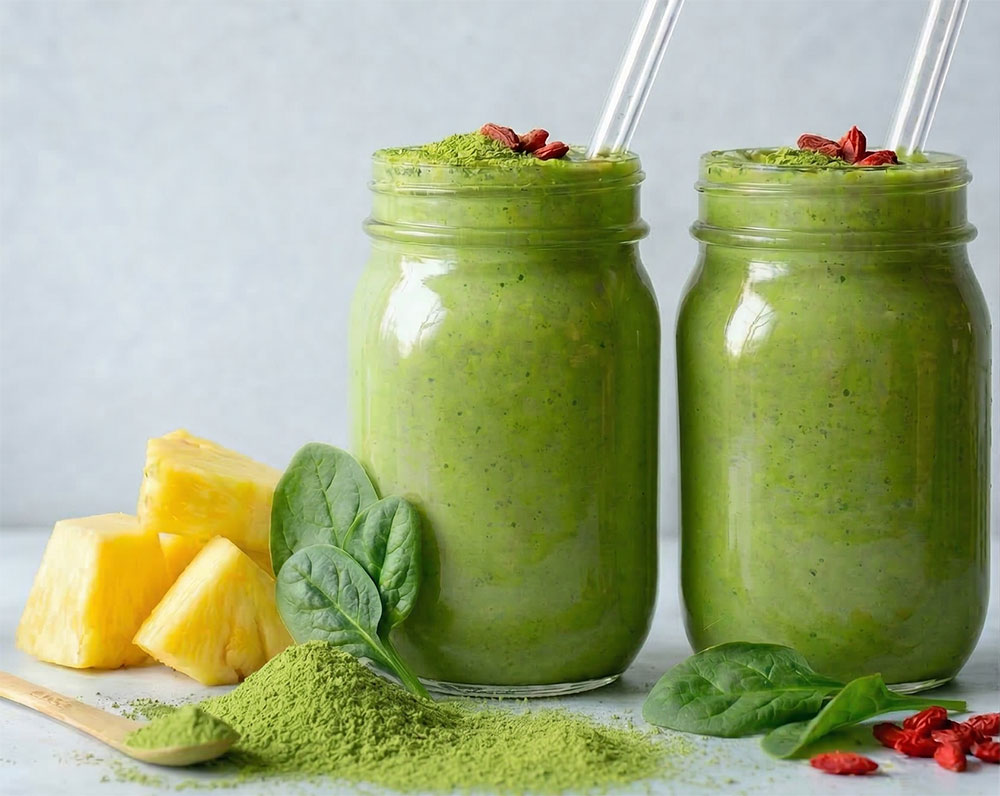
Smoothie boosters: the cafe owner’s guide to add-ons that pay
Why boosters are the easiest upsell on your menu
Boosters are the easiest upsell on any smoothie menu. Protein, creatine and collagen have gone fully mainstream, and plenty of your regulars already have a tub at home (probably next to the kettle). Offer it at the counter and they get their usual scoop and a great tasting smoothie in one cup.
That’s where we come in. Our sachets are pre-portioned, blend in 35 seconds and taste the same every single time, so they make the perfect base. Your job is just the scoop. Below we’ve covered the main options, and how to price and serve them so they actually pay their way.
The numbers: why boosters are almost all margin
Most boosters cost you pennies a scoop. Customers happily pay £1 or more. The figures below are based on typical UK online prices for bulk tubs, so a trade supplier may well beat them.
| Booster | Typical serving | Approx. cost per serving | Suggested menu price |
|---|---|---|---|
| Whey or pea protein | 25 to 30g | 40p to 60p | £1.00 to £1.50 |
| Collagen | 10g | around 40p | £1.00 to £1.50 |
| Creatine | 3 to 5g | 10p to 15p | 75p to £1.00 |
| Superfood powders (matcha, spirulina, maca) | 1 to 3g | 10p to 30p | 50p to £1.00 |
| Nut butters | 15 to 20g | 15p to 30p | £1.00 to £1.50 |
| Seeds, oats, greens | a small handful | under 15p | 50p |
Price in tiers
Rather than giving every booster its own price, group them into two or three bands:
- Premium (protein, collagen, nut butters): around £1.20 to £1.50
- Everyday (creatine, matcha, spirulina, turmeric, sea moss): around 75p to £1
- Little extras (oats, seeds, spinach, honey): around 50p
Your menu board stays tidy, the till stays quick, and the cheaper band feels like an easy yes. The one catch is VAT. Cold takeaway drinks are usually standard-rated, so check your margins once it comes off.
Want to keep it simple? Have one fixed price for all of your boosters (eg. £1).
Protein: whey vs pea (and the rest)
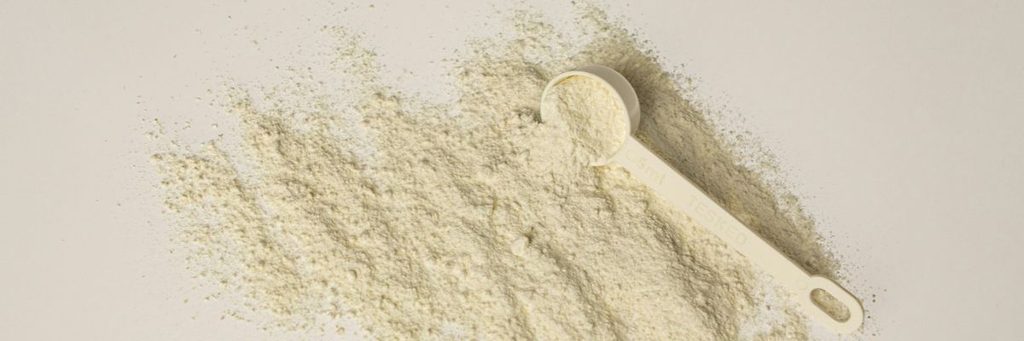
Protein is the one everyone asks for, so start here. The big question is whey, plant-based or both. We’d say both. Nobody wants to be the customer who can’t have the fun option.
| Whey | Pea | Hemp | Soya | |
|---|---|---|---|---|
| Made from | Milk | Yellow split peas | Hemp seeds | Soya beans |
| Suitable for vegans | No | Yes | Yes | Yes |
| Taste | Mild, creamy | Slightly earthy | Nutty, earthy | Fairly neutral |
| Texture in a smoothie | Smooth | A touch thicker, can be slightly grainy | Thicker, a little gritty | Smooth |
| Key allergen | Milk | None of the 14 major allergens | None of the 14 major allergens | Soya |
| Price | Usually the cheapest | Similar to whey, sometimes a little more | Usually more expensive | Similar to whey |
Whey
Whey comes from milk, and it’s the protein most of your customers will know. It blends smoothly and tastes mild and creamy, so it sits happily in a fruity smoothie. You’ll see concentrate, the everyday option, and isolate, which is more refined, lower in lactose and costs a bit more. Most cafes only need a good unflavoured or vanilla concentrate.
Pea
Pea protein is the go-to for vegan customers and anyone avoiding dairy, and it isn’t one of the 14 major allergens. It’s a little earthier and thicker than whey, so it suits bolder flavours where the fruit does the talking. Lots of brands blend it with rice protein to smooth it out.
Hemp and soya
Hemp is nutty and slightly green, which makes it a natural fit for green smoothies. Soya is smooth and neutral, but it is one of the 14 major allergens, so pea is usually the easier choice.
Flavoured or unflavoured?
Go unflavoured or vanilla. Our smoothies already bring plenty of flavour, so let the fruit take the lead. Chocolate protein is lovely with banana, but it’s a bit of a diva with everything else.
Try it in: Strawberry Fantasy or Berry Burst. Banana-based blends are creamy enough to hide any texture from the powder.
Creatine and collagen
Creatine
Creatine used to live at the bottom of gym bags. Now it’s turning up in cafe queues. You want plain creatine monohydrate, unflavoured and ideally micronised (a finer powder that mixes in more easily). A serving is usually 3 to 5g.
It has no taste, it’s suitable for vegans, and it’s one of the cheapest boosters per scoop, so the margin is excellent. If you’re near a gym, sports club, padel court or leisure centre, it’s an obvious one to add.
It won’t fully dissolve in a cold drink on its own, but 35 seconds in the blender sorts that out. Most creatine is labelled as not suitable for children, so brief your team to offer it to adults only.
Try it in: Mango Dream or Pineapple Sunset.
Collagen
Collagen has quietly become part of a lot of morning routines, and it’s about as low-maintenance as boosters get. Look for hydrolysed collagen peptides. They dissolve easily in a cold blend and taste of very little, which is exactly what you want.
There are two main types, and which one you pick changes your allergen info:
| Bovine collagen | Marine collagen | |
|---|---|---|
| Made from | Cattle | Fish |
| Key allergen | None of the 14 major allergens | Fish |
| Suitable for vegetarians or vegans | No | No |
| Typical cost | Usually cheaper | Usually pricier, often seen as premium |
Neither is vegan or vegetarian. You’ll see products sold as “vegan collagen”, but they’re alternatives rather than actual collagen, so describe them accurately if you stock one.
Try it in: Raspberry Heaven or Dazzling Dragon. Bright, fruity flavours work best.

Matcha, turmeric and other powders
Powders are where your menu gets its personality. They cost very little per serving, and a scoop of blue spirulina or pink pitaya gives your regulars a reason to try something new. Most need just 1 to 3g, so one tub goes a long way.
| Booster | What it brings | Colour | Pairs well with |
|---|---|---|---|
| Matcha | Earthy, grassy, slightly sweet | Bright green | Matcha Power, Super Green |
| Turmeric | Warm, earthy, a little peppery | Golden yellow | Golden Glow, Pineapple Sunset |
| Ginger | Zingy, warming kick | Barely changes it | Ginger Beets, Mango Dream |
| Blue spirulina | Almost no taste | Vivid blue | Blue Blast, Coconut Crush |
| Green spirulina or chlorella | Strong, seaweedy | Deep green | Green Reviver |
| Pink pitaya powder | Mild, lightly fruity | Hot pink | Dazzling Dragon |
| Acai powder | Berry, slightly chocolatey | Deep purple | Acai Kick, Berry Burst |
| Beetroot powder | Earthy, sweet | Deep red | Ginger Beets |
| Maca | Malty, caramel-like | Barely changes it | Banana-based blends |
| Raw cacao | Rich, dark chocolate | Brown | Strawberry Fantasy |
| Cinnamon | Warm and sweet | Barely changes it | Autumn and winter specials |
Before you start
- Matcha contains caffeine, so say so on the menu.
- Turmeric stains. Rinse blender jugs straight after use.
- Blue and green spirulina taste nothing alike. Blue is an extract with almost no flavour, while green is strong and seaweedy, so start small with the green.
- Half a teaspoon of matcha or green spirulina is plenty. Any more and you’ll lose the fruit.
The trend-led extras
Some newer boosters are turning up on menus, mostly for customers who follow wellness trends online. Sea moss usually comes as a gel and gives a silkier texture with a very mild taste. Lion’s mane is a mushroom powder with a gentle, earthy flavour. B12 is a vitamin, sold as drops or powder, and you won’t taste it. Bee pollen is best sprinkled on top for crunch and colour, though it isn’t vegan.
Treat these as a fun optional extra rather than the headline act. They’re also the boosters most often sold with big promises attached, so stick to describing taste and texture (more on that below).
Greens, nut butters and texture add-ons
Not every customer wants a powder. These everyday add-ons change how a smoothie tastes and feels, and they’re often what turns Not everyone wants a powder, and that’s fine. These add-ons change how a smoothie tastes and feels, and they’re often what turns a drink into breakfast.
Greens
A handful of spinach or kale turns a fruity smoothie green, and it still tastes sweet. Spinach is the milder of the two, kale a bit more savoury. Frozen works just as well as fresh and keeps far longer, so less ends up in the bin.
Nut butters
Peanut, almond and cashew butter give a rich, creamy finish, especially with banana or chocolate. A heaped tablespoon is enough. Peanuts and tree nuts are both major allergens, so label them clearly and keep a separate spoon for each.
Creaminess and body
Our frozen yogurt is the easy win here. It makes any blend thicker and creamier, and the 4 litre tubs are made with smoothies in mind. Greek yoghurt does a similar job with more tang.
Avocado is very smooth and mild. Coconut milk adds a rich, tropical note (try it with Coconut Crush). Oats make a smoothie more filling, and dates bring natural sweetness and a thicker body.
Seeds
Chia, flax and hemp seeds add texture with very little taste. Chia thickens as it sits, so add it just before blending. They’re cheap, they keep well and they look good sprinkled on top.
Sweeteners
For customers who like it sweeter, honey, maple syrup or agave all work. Honey isn’t vegan, so keep maple or agave as the alternative.
The cafe classic: an espresso shot
If you’ve got a coffee machine, you’re already sitting on one of the easiest upsells going. A shot of espresso is brilliant with banana, chocolate or nut butter blends, and it uses stock you already have.
Toppings for smoothie bowls
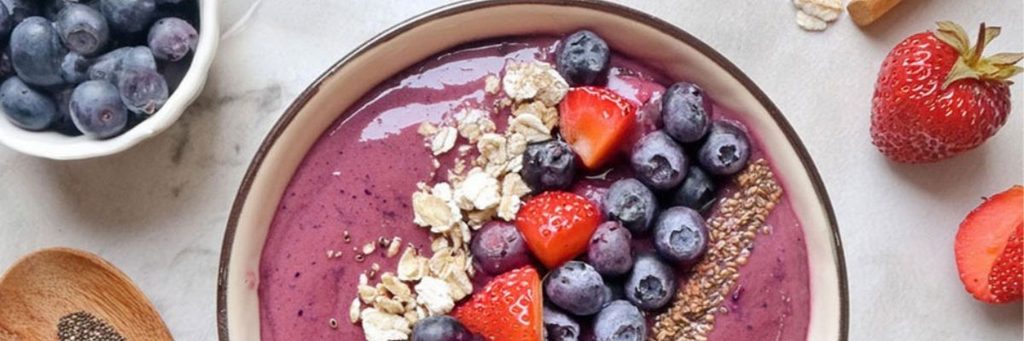
If you serve smoothie bowls, the toppings are your booster menu. People love building their own (it’s basically arts and crafts you can eat), and every extra spoonful adds to the bill.
- Granola
- Fresh or frozen berries (a handful from our frozen fruit range works well)
- Sliced banana
- Toasted coconut flakes
- Pumpkin, chia or hemp seeds
- Cacao nibs
- Bee pollen
- A drizzle of nut butter or honey
A simple way to price it is to include two or three toppings, then charge 50p to £1 for each extra. Our Smoothie Bowl Bundle has six flavours that work as a smoothie or a bowl base, and our smoothie bowl recipes have plenty of ideas to get you started.
Getting it right: allergens, wording and setup
Allergens
Every booster changes what’s in the cup, so update your allergen information before anything goes on the menu. The FSA’s best practice for made-to-order food is written allergen information, backed up by a conversation with the customer (FSA guidance). These are the ones to watch:
| Booster | Allergen to flag |
|---|---|
| Whey protein, Greek yoghurt, frozen yogurt | Milk |
| Soya protein | Soya |
| Marine collagen | Fish |
| Peanut butter | Peanuts |
| Almond and cashew butter | Tree nuts |
| Oats | Cereals containing gluten (unless certified gluten-free) |
Check the label on the exact product you buy, because some powders are made alongside milk, soya or nuts. Give every booster its own scoop and label the tubs clearly.
Describe the taste, not the benefit
UK rules on health claims are strict, and boosters tend to come with big promises attached. Words like “immunity”, “detox”, “energising” and “recovery” need an approved claim behind them, and even “superfood” can count as a general health claim. Keep it about flavour, colour and texture instead:
- “Warming golden turmeric” rather than “immune-boosting turmeric”
- “Fresh green spinach” rather than “detox greens”
- “A zingy ginger kick” rather than “an energy boost”
Customers who want protein or creatine already know why they’re adding it. You don’t need to sell the science, just make it easy to say yes.
Setting it up
- Start small: whey and pea protein, plus three or four others that suit your customers. You can add more later.
- Price in tiers so the till stays simple.
- Add a short “boosters” line to your menu board or counter card.
- Set up a booster station by the blender, with labelled tubs, one scoop each and a card showing serving sizes.
- Add boosters to your till as modifiers, so they’re one tap to add and you can see what sells.
- Train the ask. “Would you like to add a booster?” at the till makes more difference than anything else on this list.
Spotlight: Golden Glow
If you’d like to test the water before building a full booster menu, start with Golden Glow. It comes with a few boosters of its own. Turmeric, ginger and a gentle hint of chilli give it a warming kick, while mango, papaya, orange and coconut milk keep it smooth and tropical.
It’s made for the colder months, and it’s a great base for a scoop of vanilla protein or collagen. Same pre-portioned sachet, same 35-second blend, no spice rack required.
Ready to boost your smoothie menu?
A great tasting base, a short list of extras and a team that remembers to ask. That’s it. Fancy a hand picking flavours to go with your boosters? Call our team on 01395 239 500 (they’re actually pretty nice), or grab some samples and see what all the fuss is about.